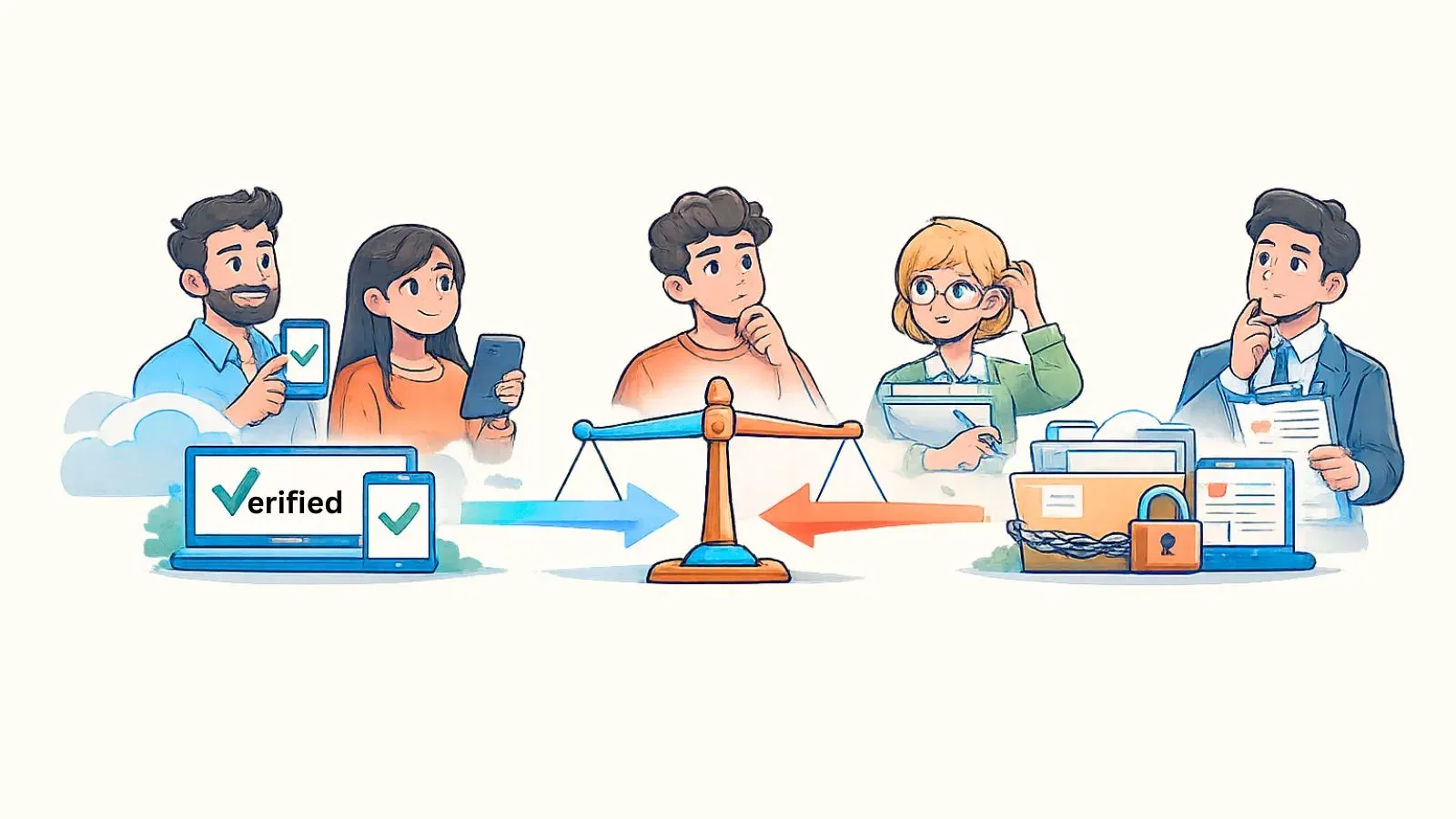
Digital credentialing programs are no longer judged by how many credentials they issue. They are judged by how those credentials behave once they leave the platform.
A learner earns a badge, shares it to their social circle, and someone in that circle interacts with it. That moment decides everything. Either the credential holds up, or it quietly loses credibility. There is rarely a middle ground.
Over time, working closely with institutions issuing credentials at scale, we started noticing a pattern. Programs didn’t struggle because of technology. They struggled because small structural decisions compounded quietly, especially once issuance volumes grew.
Most credentialing programs do not fail outright. They issue credentials, learners receive them, and the system technically works. But the credentials don’t travel far. They don’t get verified often. They don’t influence decisions the way they should.
The difference between an average digital credentialing program and a top-tier one comes down to a few fundamentals. Not features. Not branding.
Fundamentals.
1. A Credential Structure That Makes Sense Without Explanation
If a learner earns a credential and immediately wonders how to explain it to someone else, you can deduce that the program has already introduced friction.
Strong credentialing programs design credentials that explain themselves. Not with long descriptions, but with clear positioning. What does this credential represent?
Where does it sit in the learning journey?
What does it enable next, if anything?
When credentials are issued as isolated achievements, learners collect them the way people collect unused loyalty points. Technically valuable, but practically confusing.
In some of the largest bulk issuances we’ve observed, confusion rarely came from learners. It came from downstream reviewers trying to understand how one credential related to another. When structure is unclear, scale magnifies the problem.
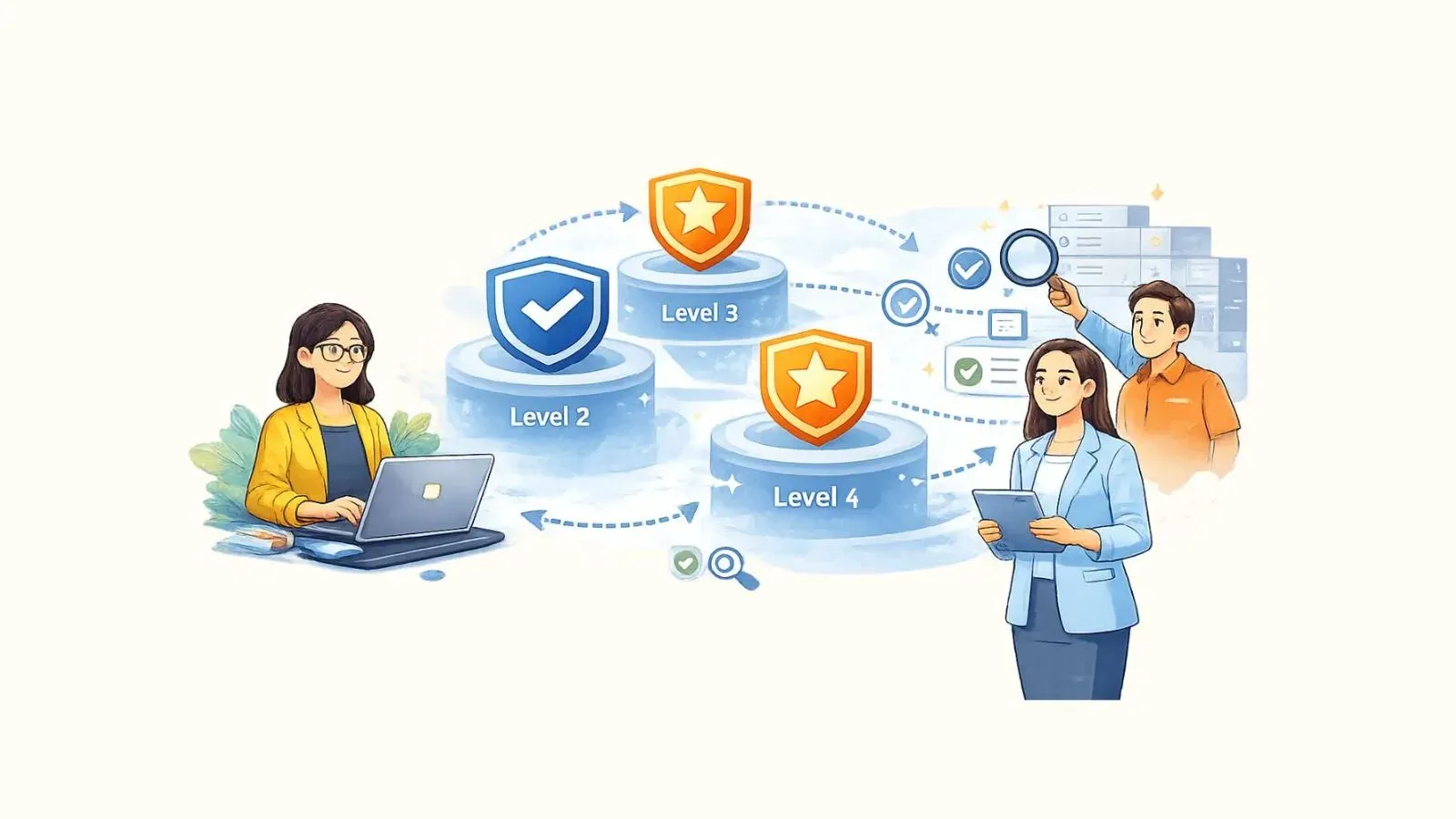
Top programs think in systems. Credentials are grouped, stacked, or sequenced in ways that signal progression. A beginner credential leads somewhere. An advanced credential carries weight because of what came before it.
This structure gives learners confidence. It also gives employers context. They can tell at a glance whether they are looking at a starting point or a milestone.
Institutions that design credential pathways deliberately, often with platforms like Hyperstack, tend to produce programs that feel intentional rather than improvised. From the outside, it looks clean. On the inside, it usually took a lot of discussion to get right.
2. Verification That Works Without Needing Instructions
Verification should not feel like a process. If someone needs a guide to understand how to verify a credential, the moment has already passed.
Employers do not want to learn how verification works. They want to know whether the credential is real, who issued it, and what it represents. Quickly.
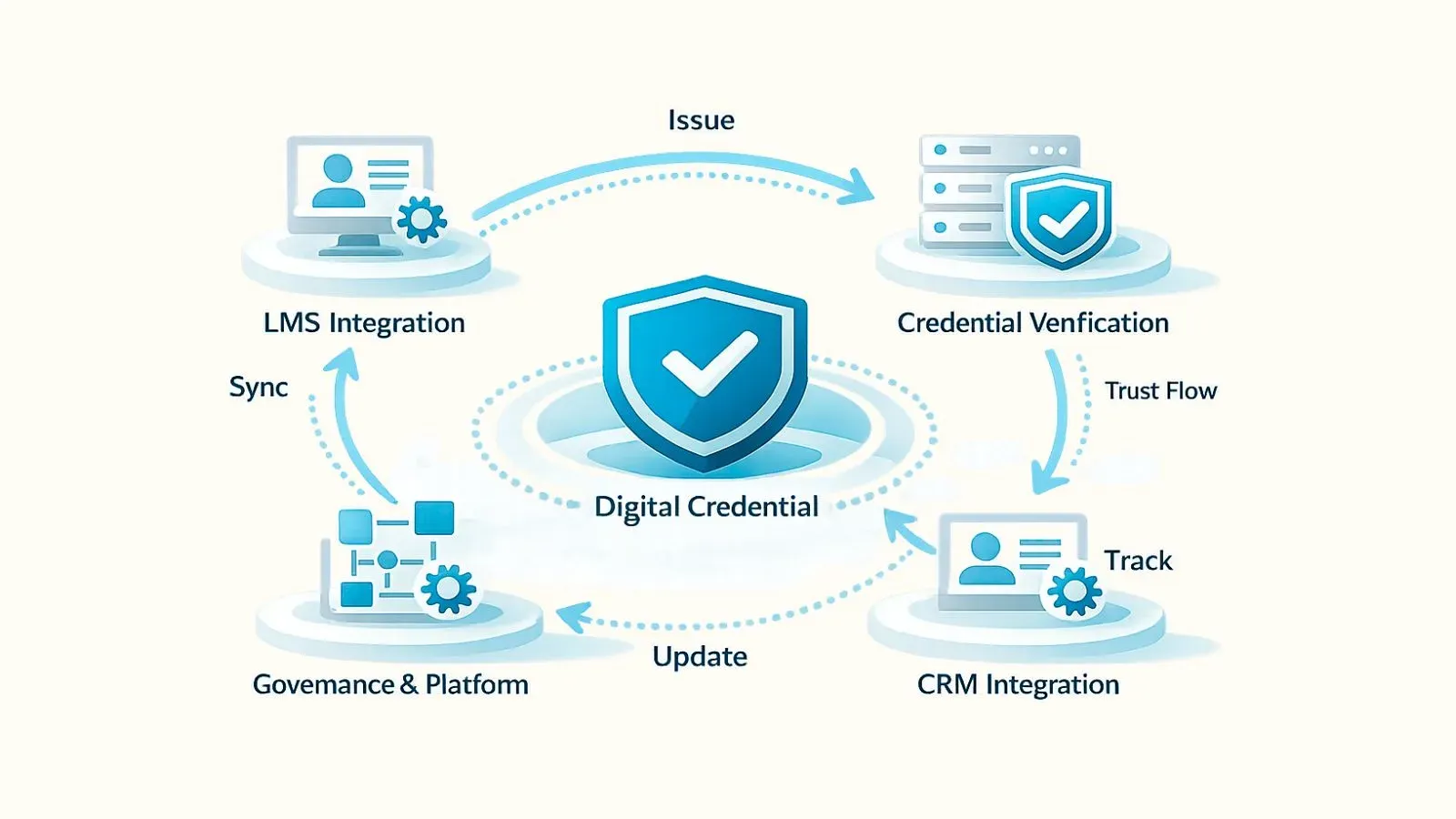
Top digital credentialing programs treat verification as part of the user experience. When a credential is clicked, it loads fast, shows clear issuer identity, explains the achievement, and confirms its authenticity without friction.
Metadata does most of this work quietly. Clear descriptions, skill definitions, criteria, and issue dates remove ambiguity. When metadata is missing or vague, trust drops even if the credential itself is valid.
We’ve seen verification technically pass while trust still failed. Usually it wasn’t because the credential was incorrect, but because the metadata felt thin. Employers hesitate when something looks incomplete, even if it checks out behind the scenes.
Evidence strengthens verification further. A project link, an assessment summary, or a short reflection turns a claim into something tangible. Employers may not inspect every artefact, but they notice when proof exists.
3. Integration That Makes Credentialing Feel Invisible
A strong credentialing program does not announce itself internally. It simply works.
Credentials are issued automatically when learning outcomes are met. Learner records stay in sync. No one has to remember to trigger issuance or reconcile spreadsheets later.
In high-volume programs, even a small delay in issuance becomes noticeable fast. We’ve watched teams spend more time explaining why a credential hasn’t arrived than actually delivering learning outcomes.
When credentialing is integrated properly, it fades into the background. And that is a good thing.
Credentials that arrive immediately after completion feel earned. Credentials that arrive days later feel processed. That difference shapes perception more than most teams expect.
Integration also prevents slow operational issues that weaken programs over time. Duplicate records. Mismatched names. Missing credentials. The kind of problems that surface only when someone sends an email titled “Urgent.”
Good integration avoids those moments. Which may be the highest compliment any system can receive.
4. A Learner Experience That Makes Sharing Feel Safe
Learners share credentials when they feel confident doing so. Not because they are told to. Not because there is a share button. Because they trust what will happen after someone clicks the link.
Top credentialing programs design for that moment.
Will the credential open cleanly on a professional profile?
Will it explain itself without extra context?
Will it still work months or years later?
One interesting pattern we’ve noticed is that learners rarely ask whether a badge is shareable. They ask whether it will “look right” once shared. That question almost always points back to verification clarity.
If the answer feels uncertain, the credential stays hidden. Not rejected, just mostly unused.
There is also a social dimension here. People share achievements that feel legitimate. Credentials that verify instantly and present information clearly feel safe to attach to one’s identity.
This creates a subtle feedback loop. Learners share. Others see. Trust accumulates. Institutions gain visibility without asking for it.
5. Governance That Prevents Slow Credential Decay
Descriptions will age. Criteria will change. Verification links will most probably break. Ownership becomes unclear. Eventually, no one is entirely sure who is responsible.
In programs issuing credentials across multiple cycles, governance gaps don’t show up immediately. They surface months later, usually when someone tries to correct or update a credential and realizes there’s no clear path to do it.
Top programs treat governance as part of the design, not an afterthought.
They define who can create credentials, how updates are handled, what happens when programs evolve, and how long credentials remain valid. They plan for corrections before they are needed.
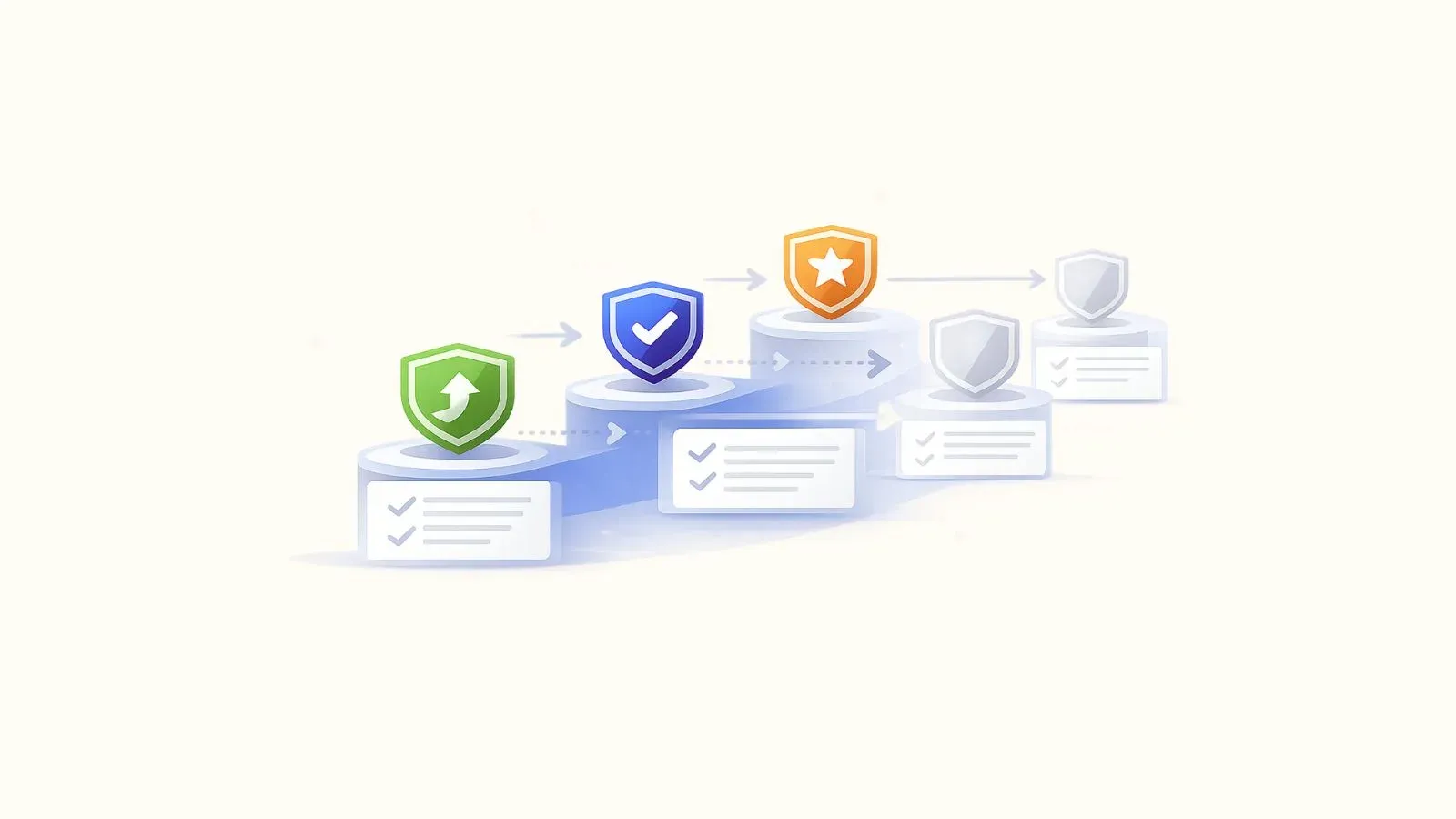
They also plan for longevity. Credentials should survive system migrations, branding updates, and organizational changes without breaking their trust signals.
This is where credentialing shifts from project to infrastructure.
Institutions that work with platforms designed for long-term credential management, such as Hyperstack, often do so because they want credentials to remain reliable long after the original rollout team has moved on.
Why These Essentials Matter Now
The environment around credentials has matured.
Employers are flooded with skill claims.
Learners are selective about what they associate with their identity.
Institutions are evaluated on outcomes, not activity.
In this context, credentials act as signals. Clear ones reduce uncertainty. Messy ones add to it. A top digital credentialing program aligns structure, verification, integration, learner experience, and governance into a system that reinforces trust quietly at every step.
People are very good at sensing when something is off.
Building a Credentialing Program That Holds Up
If your institution is reassessing how its digital credentials function outside the platform, the goal is simple. Build credentials that learners understand, employers trust, and systems can support long term.
Platforms like Hyperstack are designed around that philosophy, combining structured credential design, reliable verification, and durable management without unnecessary complexity.
Want to learn how this could adapt to your team but you only have a 20 minute coffee break next Thursday? Great!
Our experts have got you covered! You can now schedule a demo at your convenience and we’ll explore your best fit, at your leisure.
Closing Thoughts
Digital credentialing no longer gets credit for existing.
The programs that succeed treat credentials as signals, not souvenirs. They invest in clarity, protect trust, and think beyond launch day.
When these essentials are in place, credentials stop being things people collect and start being things people can rely on.
Which, when you think about it, is the point.
Frequently asked questions
A digital badge is verifiable when its issuer identity, metadata, and evidence can be independently checked through a secure verification link or endpoint.
Yes. Metadata provides context such as issuer details, criteria, skills, and issue date. Without it, a badge becomes decorative rather than trustworthy.
Most employers verify badges by clicking a verification link or scanning a QR code that confirms issuer authenticity and credential integrity in real time.
Absolutely. Many widely adopted badges use cryptographic signatures, secure hosting, and trusted verification URLs without relying on blockchain technology.
Evidence links connect a badge to real work, assessments, or outcomes. They strengthen credibility by showing how the credential was earned, not just that it exists.
Ideally, a badge should remain verifiable for the long term. This depends on stable hosting, clear governance, and a credentialing platform built for durability.
No. Well-designed digital badges can be shared via simple links, wallets, or professional platforms without requiring learners to manage complex tools.
Tags
- Digital credentialing program
- Digital credentials
- Credentialing platform
- Verifiable credentials
- Digital badges
- Credential verification
- Badge metadata
- Credential governance
- Credential lifecycle management
- Credential verification system
- Learning credentials
- Skill based credentials
- Digital certificates
- Credential issuance
- Credential trust
- Badge evidence
- Issuer identity
- Credential structure
- Credential pathways
- Badge sharing
- Credential interoperability
- LMS integration
- CRM integration
- Learner records
- Employer verification
- Credential standards
- Digital credential verification
- Online credentials
- Secure credentials
- Credential authenticity
- Credential management platform
- Institutional credentialing
- Credential architecture
- Trusted credentials